Concrete grinding and sealing since 2012
Grind and seal concrete floors in Sydney
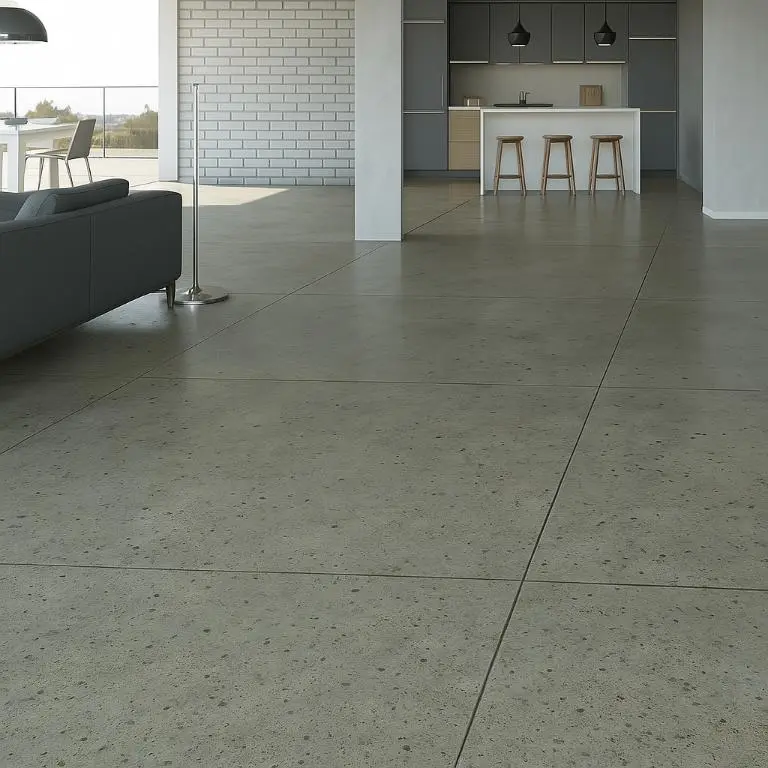
Grind and seal gives you the look of exposed concrete for about half the price of a full polish. We grind the slab to the stone you want, then seal it in matte, satin or gloss. Typical Sydney cost is $45 to $80 per m².
- Garages, alfresco and homes
- Anti-slip options
- Fully insured
Get your free quote
Tell us about your floor and we'll reply within one business day.
What grind and seal actually is
Grind and seal starts the same way as a polish. We grind the slab with coarse diamonds to open the surface and expose as much or as little stone as you want, then fill cracks and pinholes. From there the two finishes split.
A polished floor keeps going through finer and finer grits until the concrete itself shines. A grind and seal floor gets a few refining passes to smooth the surface, then two or three coats of sealer. The sealer gives the floor its sheen, its colour depth and its stain protection. That's the key thing to understand: on a grind and seal floor, the part you walk on is the sealer.
That's what makes it cheaper and faster, and it's also why it needs looking after. A sealer is a coating, so it wears in busy paths and needs a fresh coat every few years. Done well and maintained, it looks very close to a polished floor, and in garages and outdoor areas it often performs better.
Choosing a sealer
The sealer decides how your floor looks, how it wears and how often it needs attention. Most quotes just say "sealed". Ask which type, because the difference shows up in a year or two.
| Sealer | Look | Wear | Inside or outside | Recoat |
|---|---|---|---|---|
| Water-based acrylic | Matte to satin, natural colour | Light to moderate | Both. Lets moisture escape from the slab | Every 1 to 3 years in busy areas |
| Solvent-based acrylic | Richer "wet look", darkens the concrete | Light to moderate | Both, best on dry, well-cured slabs | Every 1 to 3 years in busy areas |
| Polyurethane | Satin to high gloss, clear | Hard wearing, resists chemicals and scuffing | Inside. UV-stable types can go outside | Every 2 to 5 years in busy areas |
| Penetrating | No sheen, no change in look | Protects from inside the concrete | Mostly outside | Longest between treatments |
Sheen
Most sealers come in matte, satin and gloss. Gloss looks striking but shows scratches and dust sooner and is the most slippery when wet. Satin is the easiest to live with in a home. Matte looks the most natural and is the best choice outdoors.
Tint
A tinted sealer can warm up grey concrete, even out patchy colour on an older slab, or help hide old patches and trenches. It's worth considering on a renovation where the slab has a history.
Anti-slip
A fine grit can be mixed into the final coat to add grip. It slightly roughens the surface, which makes it a little harder to mop, but it's the sensible choice for alfresco areas, pool surrounds, ramps and garage entries.
Yellowing
Some sealers yellow in sunlight. Aromatic polyurethanes and many epoxies are meant for indoor use only, while UV-stable (aliphatic) polyurethanes and good acrylics hold their colour outdoors. If a floor gets direct sun through a window or door, that matters inside too.
Where grind and seal makes sense
Garages are the most common job. A sealed slab stops oil and brake dust soaking in, sweeps clean and looks far better than raw concrete. Alfresco areas, patios and pool surrounds are next, usually with a matte sealer and anti-slip grit. Sheds, workshops, laundries, basements and rumpus rooms all suit it well.
It's also a smart choice for rental properties and homes being prepared for sale, where you want a clean modern floor without the cost of a full polish. And on older slabs with patches and trenches that would show through a polish, a tinted grind and seal can give a more even result.
It's the wrong choice where heavy, constant traffic will wear through the sealer quickly, such as busy shop entries and cafés, or where forklifts and pallet jacks run. A mechanical polish has no coating to wear, and epoxy flooring handles chemicals and heavy impact better.
Grind and seal or polish? How to decide
Choose grind and seal if
Budget matters most and you're happy to reseal every few years. The floor is outdoors, in a garage, or anywhere that needs anti-slip grit. You want a tinted or wet-look finish. The slab has patches or trenches you'd rather tone down. You need the job done quickly with fewer days off the floor.
Choose a mechanical polish if
You want a floor that lasts for decades with no coating to wear through or redo. It's an indoor living area, kitchen or commercial space with steady foot traffic. You'd rather spend more once than maintain a sealer. You want the sharpest reflection and clarity in the finish.
Plenty of homes use both: a polished living area and a grind and seal garage, laundry and alfresco. Doing them in the same visit keeps the cost down. Our cost guide and estimator shows the price difference for your floor size.

Grind and seal outdoors
Outdoor concrete is harder on a sealer than any indoor floor. Sun breaks down some sealers and yellows others, so outdoor work needs a UV-stable product, usually in a matte or satin sheen to keep glare down.
Grip matters more outside. Wet leaves, pool water and rain make any smooth surface slippery, so we'd add anti-slip grit to the final coat on alfresco areas, pool surrounds and entry paths. If a body corporate or certifier needs a slip rating, an independent test can confirm it.
The most common outdoor problem is a sealer that turns milky or white. It usually happens when moisture gets trapped: sealing concrete that wasn't fully dry, rain or sprinklers hitting the sealer before it cured, or coats built up too thick over years of resealing. New concrete also needs to cure properly before a decorative sealer goes on, generally around 28 days. Good prep and patience avoid most of it, and it's one more reason to check the weather before booking an outdoor job.
What grind and seal costs in Sydney
Grind and seal usually runs about $45 to $80 per square metre in Sydney. Where your floor lands depends on the slab and the job. Oil stains, old paint and previous coatings need extra grinding. Cracks and joints add filling. Anti-slip grit, tinted sealers and extra coats add materials, and small areas cost more per m² because setup is spread over less floor.
For a full breakdown, including how grind and seal compares with polishing and tiles, see the polished concrete cost guide.
Double garage, about 36 m²$1,600 to $2,900
Alfresco, about 25 m²$1,150 to $2,000
Open-plan living, about 60 m²$2,700 to $4,800
Typical Sydney market ranges for 2026, before extras like heavy stain removal. Your fixed price comes after a free measure.
Get my exact priceKeeping a sealed floor looking good
Day to day, a grind and seal floor is easy. Sweep or dust mop to keep grit off the surface, damp mop with a pH-neutral cleaner, and wipe up oil and acidic spills before they sit. Mats at outside doors and felt pads under furniture slow down wear on the sealer.
The sign it's time to reseal is simple: water stops beading on the surface and starts soaking in, usually first in the busiest paths and near doorways. Catch it then and a reseal is a small job. The floor is cleaned, lightly abraded so the new coat bonds, and recoated, usually in a day. Leave it until the sealer has worn through to bare concrete in patches and the floor may need a light regrind to look even again.
If your floor was sealed by someone else and is now worn, cloudy or peeling, our concrete sealing service covers resealing and stripping failed sealers.
Finishes and textures
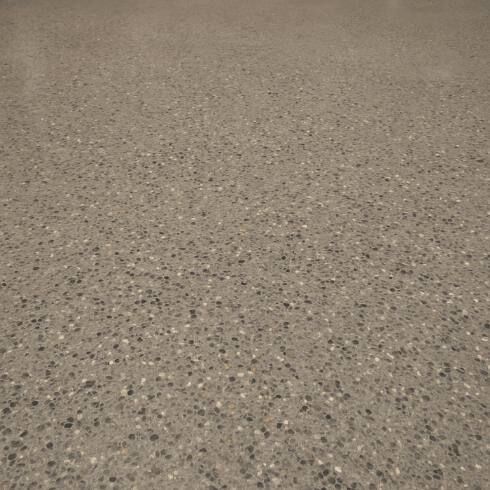
Exposure and sheen work the same way on a sealed floor as a polished one.


Grind and seal FAQs
How long does a grind and seal floor last?
The ground concrete lasts as long as the slab. The sealer is what wears. Acrylic sealers in busy areas typically need a fresh coat every one to three years, and harder polyurethanes last longer. Bedrooms and low-traffic rooms can go much longer between coats than a garage entry or a kitchen path.
Can you grind and seal over an old sealer or paint?
Not directly. Old sealer, paint and coatings have to be ground off first, or the new sealer bonds to a layer that's already failing. That removal is part of the job and is one reason older garage floors cost more. Our concrete grinding page covers coating removal.
When can I walk and drive on it?
Drying and curing times depend on the sealer and the weather. Light foot traffic is often possible within about a day, while furniture and especially cars need longer for the sealer to harden. We'll give you the times for the product used on your floor.
Is grind and seal or epoxy better for a garage?
For a car garage that's mainly for parking and storage, grind and seal is usually the better value and keeps the concrete look. Epoxy makes sense for workshops with chemicals, heavy tools and jacks, or when you want a solid colour. Hot tyres can lift some lower-grade sealers and coatings, so the product choice matters either way. See our epoxy flooring page for the comparison.
Can I grind and seal concrete myself?
It's more forgiving than polishing, but the same dust issue applies. Grinding concrete releases crystalline silica, and SafeWork NSW recommends on-tool dust capture or wet methods to control it. A hire grinder with an industrial vacuum and a fitted respirator is the minimum. Most DIY problems come from sealing too soon, too thick, or on damp concrete.
Related concrete services
Get a fixed price for your floor
Book a free on-site measure. We'll check the slab and recommend the right sealer for where it's going.